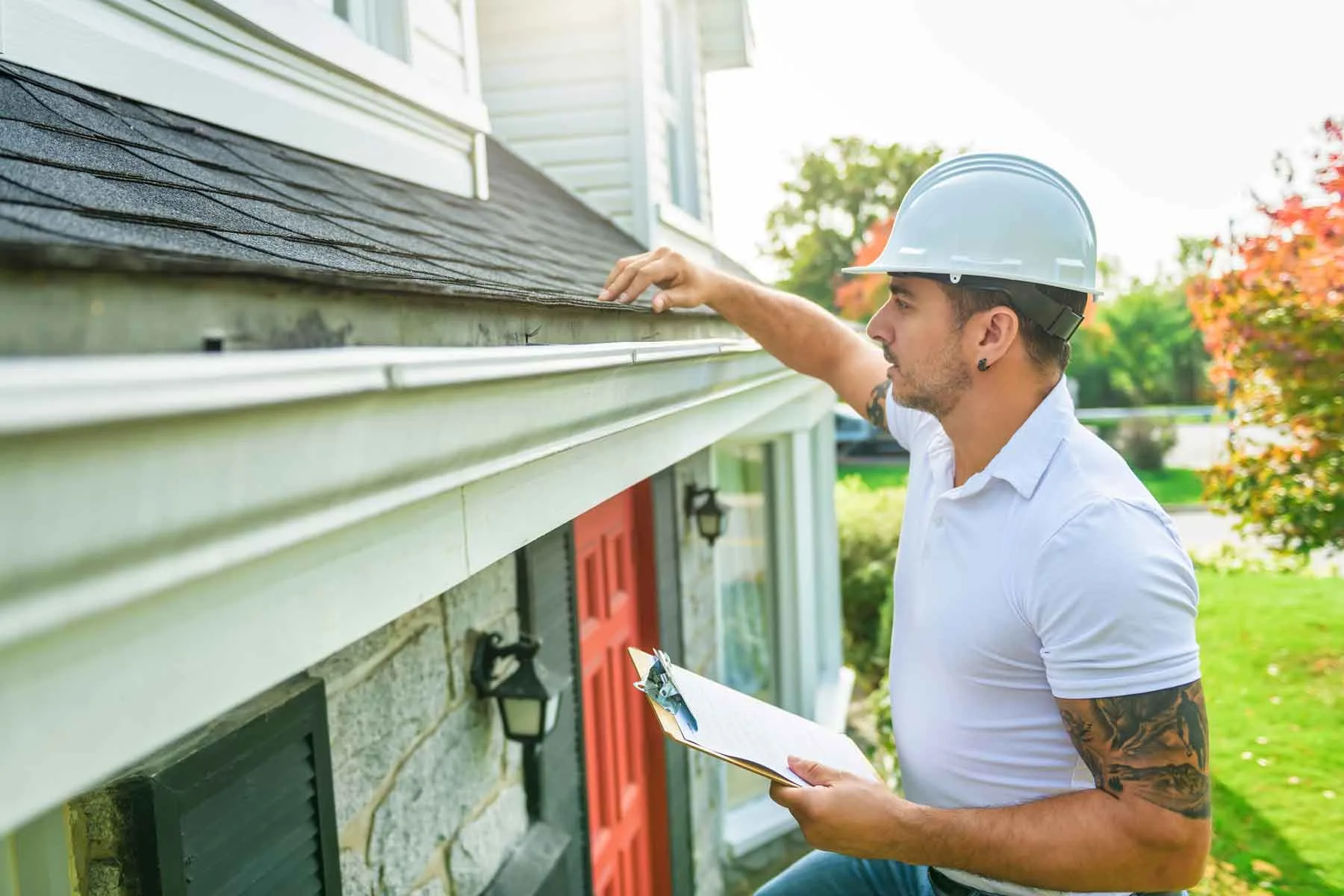

Home additions are one of the best ways to expand your living space, increase your home’s value, and create a more comfortable environment for your family. Whether you’re adding a new bedroom, a sunroom, or extending your kitchen, home additions offer endless possibilities to customize your property.
This article explores everything you need to know about home additions—from planning and budgeting to design inspiration and expert tips.
What Are Home Additions?
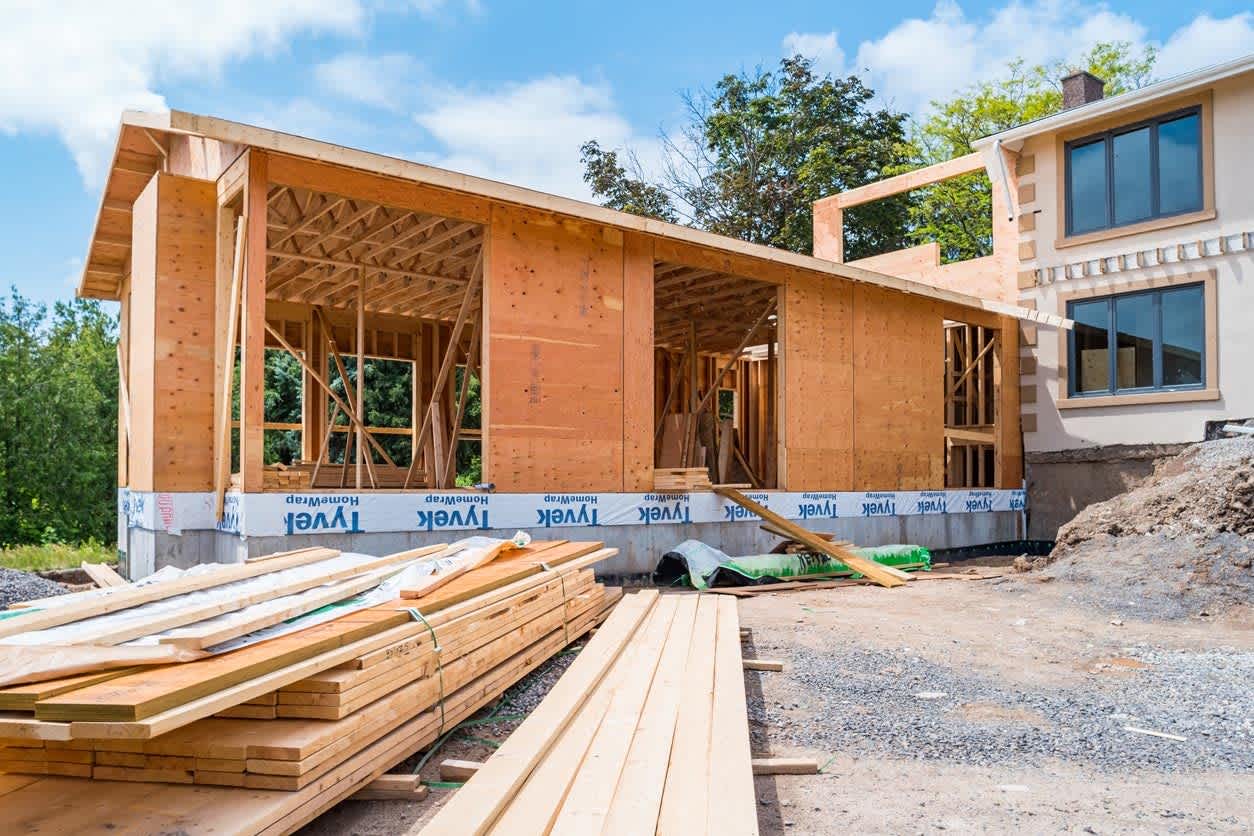
Home additions refer to any construction project that expands your home’s existing footprint. Unlike renovations, which improve existing spaces, additions create entirely new rooms or levels. They can be as simple as adding a small office or as ambitious as building a second story.
The primary goal of a home addition is to add more usable space without the hassle of moving to a new property. It’s an investment that enhances both functionality and aesthetics.
Benefits of Home Additions
1. More Space, Less Stress
Home additions eliminate the feeling of being cramped. Instead of cluttering existing rooms, you can design spaces tailored for specific needs—like a guest suite, home gym, or hobby room.
2. Increased Property Value
Well-planned home additions can significantly boost your property’s market value. Buyers often prefer homes with more square footage, modern layouts, and multi-functional rooms.
3. Personalization
Additions allow homeowners to reflect their unique lifestyle. Whether you want an entertainment zone, a larger kitchen, or a peaceful reading nook, home additions make it possible.
4. Cost-Effective Alternative to Moving
Moving can be stressful and expensive. By expanding your current home, you save on real estate commissions, moving costs, and the emotional toll of leaving your neighborhood.
5. Enhanced Functionality
As family needs evolve—like welcoming new children, accommodating elderly parents, or working remotely—home additions offer practical solutions without major lifestyle disruptions.
Popular Types of Home Additions
1. Room Additions
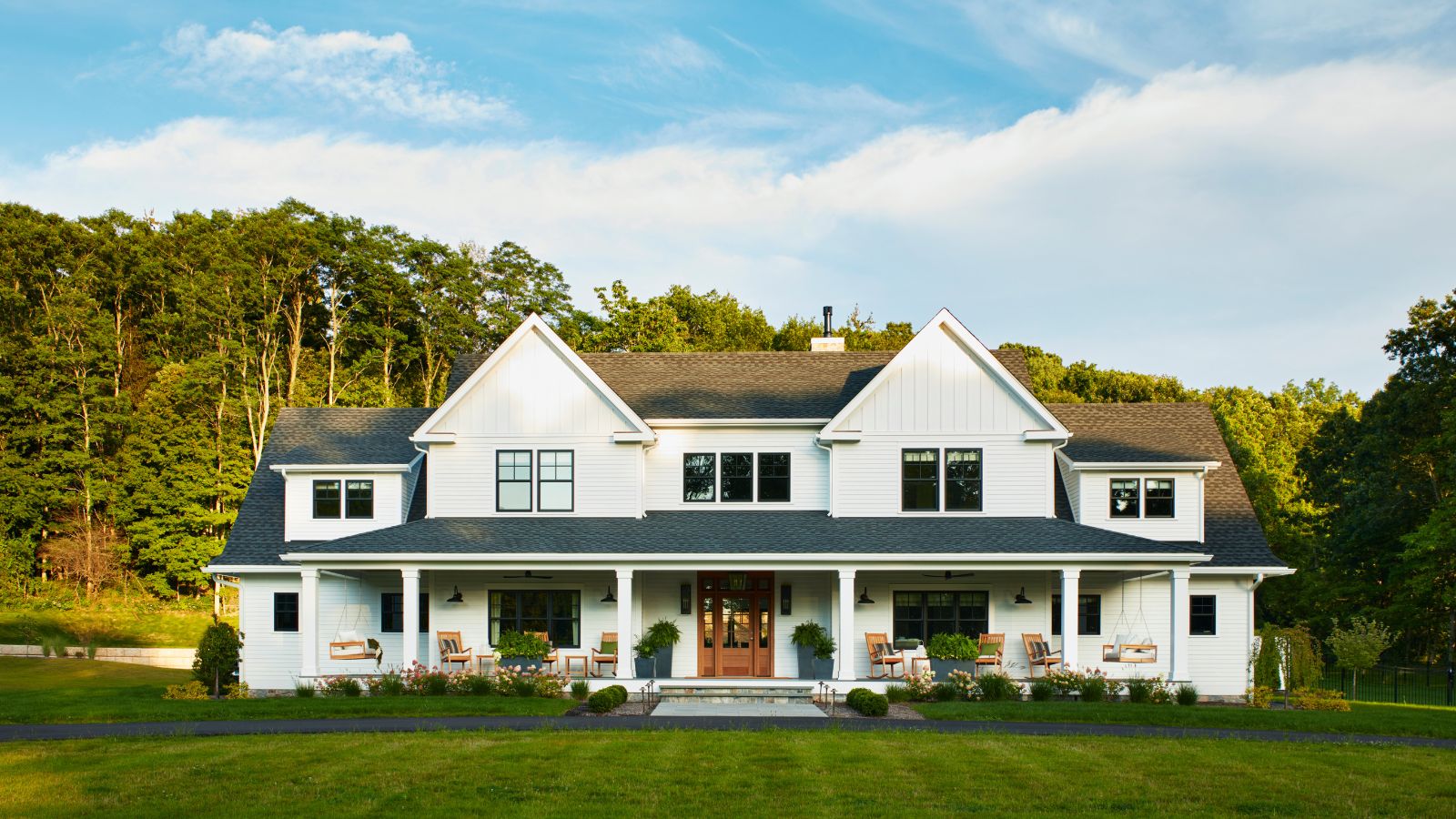
Adding a new bedroom, family room, or bathroom is the most common type of home addition. It’s ideal for growing families or homeowners who want extra guest space.
2. Kitchen Extensions
A kitchen extension provides more counter space, storage, and room for modern appliances. Open-concept designs with dining areas are trending in 2025.
3. Second-Story Additions
If you have limited land space, going upward makes sense. Second-story additions double your home’s area without altering your outdoor layout.
4. Garage Conversions
Many homeowners convert garages into offices, gyms, or studios. It’s a cost-effective option since the structure already exists.
5. Sunrooms and Conservatories
A sunroom adds natural light and offers a relaxing retreat. It bridges the indoors with the outdoors, perfect for plant lovers or reading spaces.
6. Basement Additions
Transforming a basement into a living room, entertainment zone, or rental unit is another smart way to maximize space.
Planning Your Home Addition
Proper planning ensures your home addition project runs smoothly and stays within budget. Here are key steps:
Step 1: Define Your Goals
Ask yourself why you need an addition. Is it for more space, higher value, or a specific function? Clear goals help in design and budgeting.
Step 2: Set a Realistic Budget
Home additions can range from $20,000 to $200,000 depending on size and materials. Include design fees, permits, and unforeseen costs in your budget.
Step 3: Consult Professionals
Architects, contractors, and interior designers bring your vision to life. Their expertise ensures your project meets safety codes and design standards.
Step 4: Obtain Necessary Permits
Always check local building regulations before starting construction. Permits ensure your addition complies with zoning laws and safety standards.
Step 5: Choose Quality Materials
Investing in durable, energy-efficient materials pays off in the long run. They reduce maintenance costs and enhance comfort.
Design Ideas for Modern Home Additions
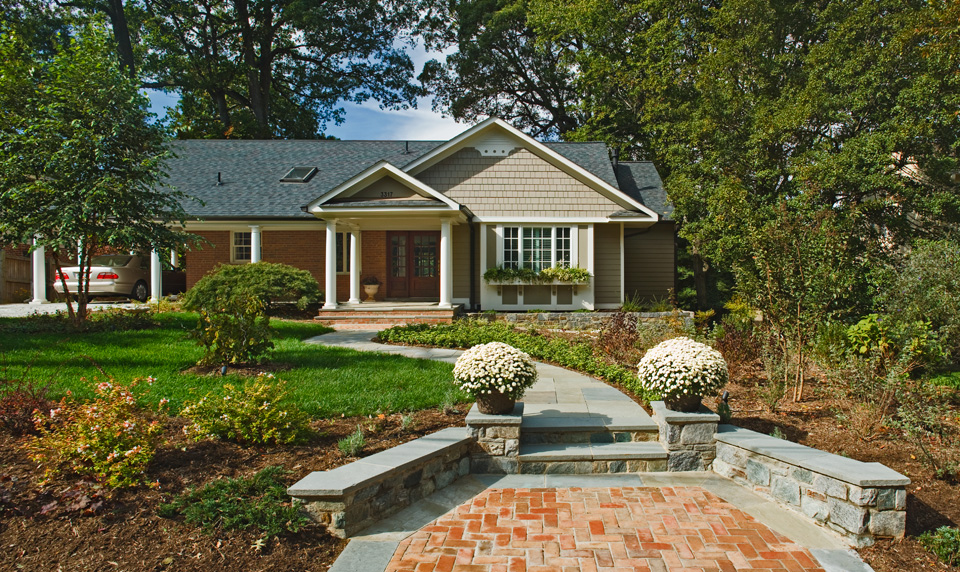
1. Open-Concept Living
Combining kitchens, dining rooms, and living spaces creates a spacious and social atmosphere.
2. Glass Walls and Skylights
These features increase natural light, making your addition feel larger and more connected to nature.
3. Sustainable Design
Eco-friendly additions with solar panels, green roofs, or energy-efficient insulation reduce environmental impact and energy bills.
4. Smart Home Integration
Include smart lighting, climate control, and security systems to make your addition future-ready.
5. Multi-Functional Rooms
Modern additions often blend purposes—like a guest room that doubles as a home office or gym.
Budgeting Tips for Home Additions
-
Get Multiple Quotes: Compare contractors to find the best mix of quality and price.
-
Prioritize Needs Over Wants: Focus on essential features first.
-
Plan for Contingencies: Set aside 10–15% of your budget for unexpected expenses.
-
Reuse Materials: Salvaged doors, tiles, or wood can reduce costs while adding character.
-
Energy Efficiency: Spending more on insulation and windows now saves money later.
Common Mistakes to Avoid
-
Skipping the Design Phase: Poor planning can lead to mismatched layouts or structural issues.
-
Ignoring Zoning Laws: Building without permits can result in fines or demolition orders.
-
Underestimating Costs: Always prepare for price fluctuations in materials and labor.
-
Hiring the Cheapest Contractor: Quality matters—low bids may lead to costly repairs later.
-
Overbuilding: Ensure your addition complements your home’s architecture and doesn’t overwhelm it.
How Long Do Home Additions Take?
Timelines vary based on the project’s complexity:
-
Small room addition: 1–3 months
-
Second-story addition: 4–6 months
-
Full-scale expansion: 6–12 months
Weather, permits, and material availability can also affect completion times.
How to Choose the Right Contractor?
-
Check Licenses and Insurance: Always hire certified professionals.
-
Review Portfolios: Past projects show their quality and design versatility.
-
Ask for References: Talk to previous clients about their experiences.
-
Get a Written Contract: Include timelines, costs, and warranties to avoid disputes.
-
Monitor Progress: Regular site visits ensure work aligns with your expectations.
The Future of Home Additions in 2025
The trend for 2025 leans toward energy-efficient, tech-enabled, and flexible spaces. With more people working from home, additions often double as offices or creative zones. Modular construction and 3D-printed components are also speeding up build times and reducing waste.
Final Thoughts on Home Additions
Home additions are more than just extra rooms—they’re a way to improve your lifestyle and increase your property’s value. Whether you want a cozy guest suite, a modern kitchen, or a second floor, the possibilities are endless when planned thoughtfully.